Wedding Rings Around the World – Traditions and Meanings

Wedding Rings Around the World – Traditions and Meanings
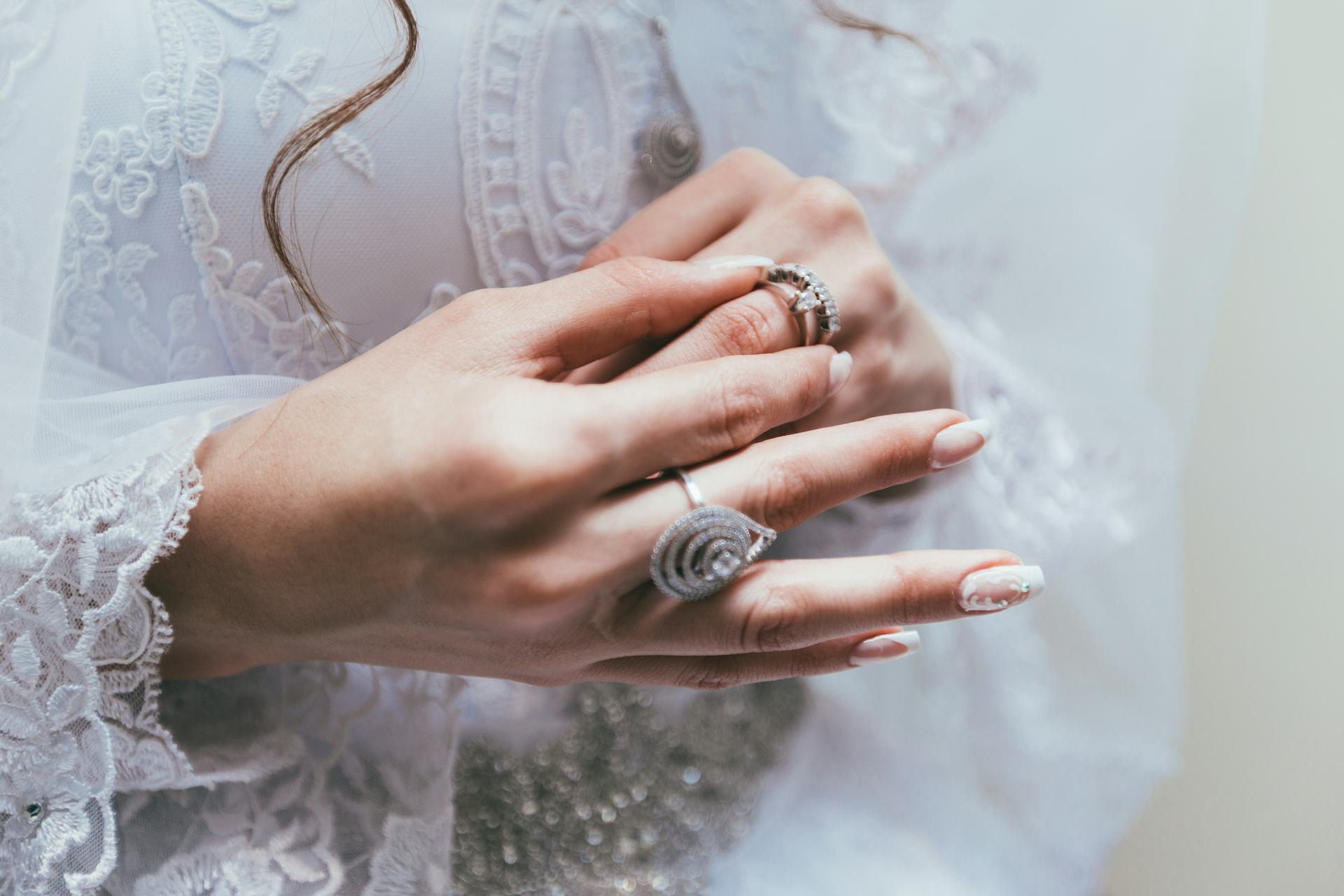
The wedding ring is one of the most universal symbols of love and commitment. That small circle of metal represents eternity, unity, and the promise to share a life together. Yet, while the meaning is shared across cultures, the traditions surrounding wedding rings vary widely from country to country. Let’s take a look at how different parts of the world celebrate love through the ring – and what it means today.
A Tradition with Ancient Roots
The history of the wedding ring stretches back thousands of years. In ancient Egypt, couples exchanged rings as a sign of eternal love. The circular shape symbolized infinity, while the opening in the center was seen as a gateway to the future. The Romans adopted the custom and made it part of their marriage ceremonies, often using iron rings to represent strength and permanence.
During the Middle Ages in Europe, the ring took on religious significance, becoming a formal part of Christian wedding rituals. Over time, materials, designs, and customs evolved, but the idea of the ring as a lifelong promise has remained constant.
Right or Left Hand? – Traditions Around the Globe
Although many Americans associate the wedding ring with the left hand, this is far from universal. The tradition differs depending on culture, religion, and region.
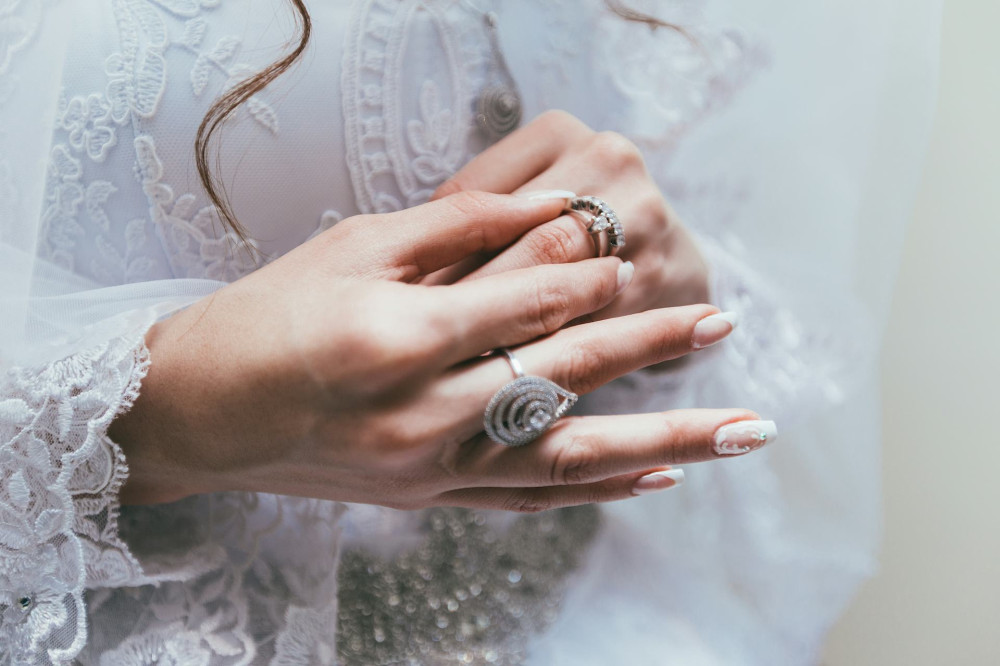
- United States and the United Kingdom – In most English-speaking countries, the wedding ring is worn on the fourth finger of the left hand. This tradition stems from an ancient Roman belief in the “vena amoris,” a vein said to run directly from that finger to the heart.
- Germany and Eastern Europe – Many people in these regions wear their wedding rings on the right hand, symbolizing honesty and faithfulness.
- Scandinavia – In countries like Denmark, Norway, and Sweden, the right hand is also common for wedding rings, while engagement rings are often worn on the left and moved after the ceremony.
- India – Traditions vary by religion and region. In some Hindu weddings, the ring is worn on the right hand, as the left is considered less auspicious. In other areas, customs are more flexible.
- Latin America – In many Latin American countries, couples wear engagement rings on the right hand and move them to the left after the wedding, symbolizing the transition from promise to marriage.
Materials and Symbolism
Gold has long been the classic choice for wedding rings, but today couples can choose from a wide range of materials, each carrying its own meaning.
- Gold – Represents warmth, wealth, and enduring love.
- White gold and platinum – Associated with purity and modern elegance.
- Rose gold – Loved for its romantic hue and soft glow.
- Titanium and steel – Chosen for their strength and durability, symbolizing a resilient relationship.
In many cultures, rings are engraved with meaningful words, dates, or symbols. Some couples combine two metals to represent two lives joined as one.
Læs også:



Rings as Cultural Storytellers
A wedding ring is more than a piece of jewelry – it tells a story of culture, faith, and identity. In Jewish weddings, a simple, unadorned gold band is often used to symbolize honesty and purity. In Greek and Russian Orthodox ceremonies, rings are blessed three times to represent the Holy Trinity. In parts of Africa, handcrafted rings may be exchanged as part of a larger tradition of gift-giving between families.
Modern couples often personalize the tradition. Some design their own rings, while others choose sustainable materials or repurpose family heirlooms to create a link between generations.
The Modern Wedding Ring – Between Tradition and Individuality
Today, the wedding ring is both a symbol and a personal statement. Some couples choose matching classic bands to express unity, while others prefer unique designs that reflect their individual personalities. What matters most is not the material or the style, but the meaning the ring holds for those who wear it.
Whether it rests on the right or left hand, made of gold or titanium, the wedding ring remains one of the most powerful symbols of love’s promise – a small but eternal sign that two people have chosen each other.
Læs også: