Groom’s Attire with Style: Colors and Fabrics That Complement the Bride

Groom’s Attire with Style: Colors and Fabrics That Complement the Bride
As the wedding day approaches, it’s not just the bride’s gown that deserves attention. The groom’s attire plays a key role in the overall aesthetic—balancing style, color, and texture to create a cohesive look that reflects the couple’s shared vision. A well-chosen suit, shirt, and accessories can elevate the entire celebration and ensure the groom looks every bit as polished and confident as his partner. Here’s how to choose groom’s attire with style that complements the bride and fits the tone of the day.
Colors That Work Together, Not Against Each Other
The goal is harmony, not identical matching. The groom’s colors should complement the bride’s look rather than compete with it. If the bride is wearing a classic white or ivory gown, timeless shades like navy, charcoal, or light gray are elegant choices. A deep navy suit offers a sophisticated, formal feel, while a lighter gray or beige suit can create a relaxed, summery vibe—perfect for outdoor or destination weddings.
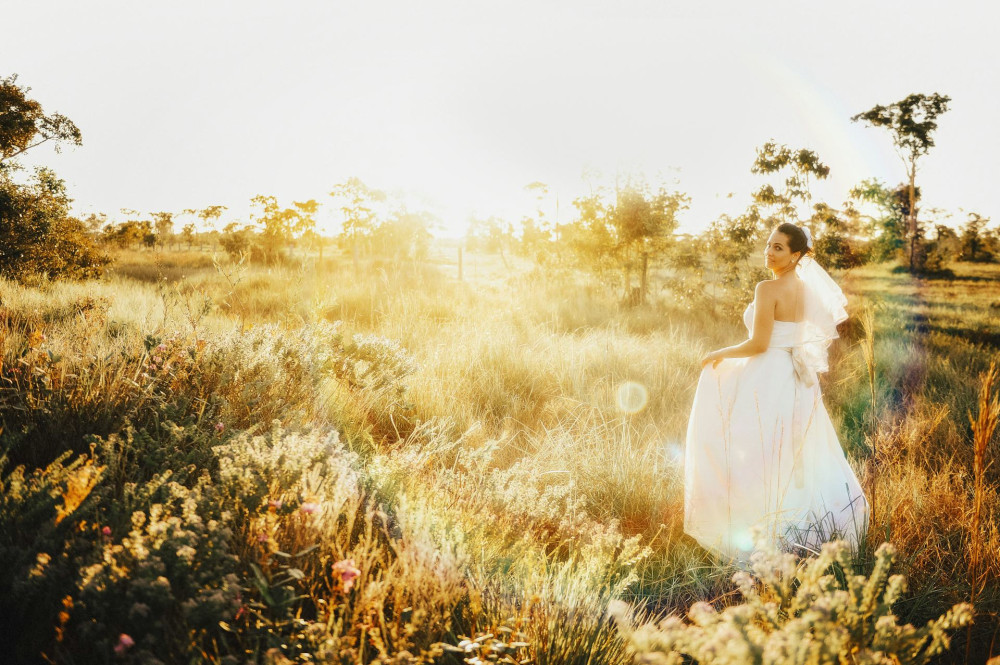
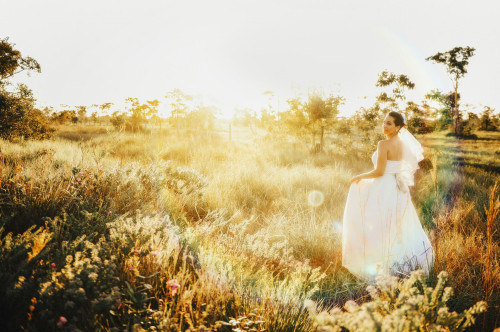
If the bride’s dress leans toward warmer tones such as champagne, blush, or cream, consider a suit in warm hues like tan, chocolate brown, or olive. These colors create a soft, natural balance that photographs beautifully, especially in outdoor settings.
For winter weddings, richer tones like forest green, burgundy, or charcoal can add depth and contrast to the bride’s gown while reflecting the season’s mood.
Fabrics That Match the Setting
Fabric choice affects both comfort and appearance. Wool remains the classic option for suits—it drapes well and works for most seasons. For summer weddings or ceremonies in warmer climates, lighter fabrics like linen, cotton, or lightweight wool blends are ideal. They allow breathability and lend a more relaxed, effortless look.
A linen suit in light beige or pale blue is perfect for a beach or garden wedding, while a structured wool suit in a darker tone suits a formal church or ballroom setting. For a touch of luxury, consider a wool-silk blend that adds a subtle sheen and refined texture.
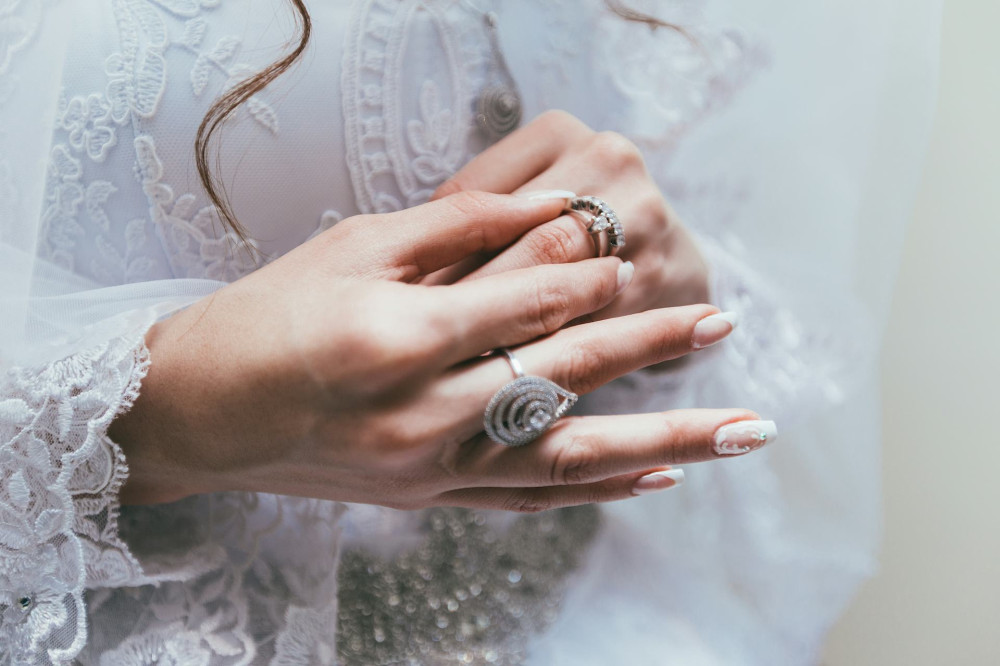
The fabric should also complement the bride’s gown. A delicate lace dress pairs beautifully with softer, matte fabrics, while a sleek satin gown calls for a more structured, polished suit.
Læs også:


Shirts, Ties, and Finishing Touches
Once the main outfit is chosen, the details bring everything together. A crisp white shirt is always a safe and stylish choice, but don’t be afraid to explore subtle tones like ivory, pale blue, or soft blush—especially if they echo the wedding’s color palette.
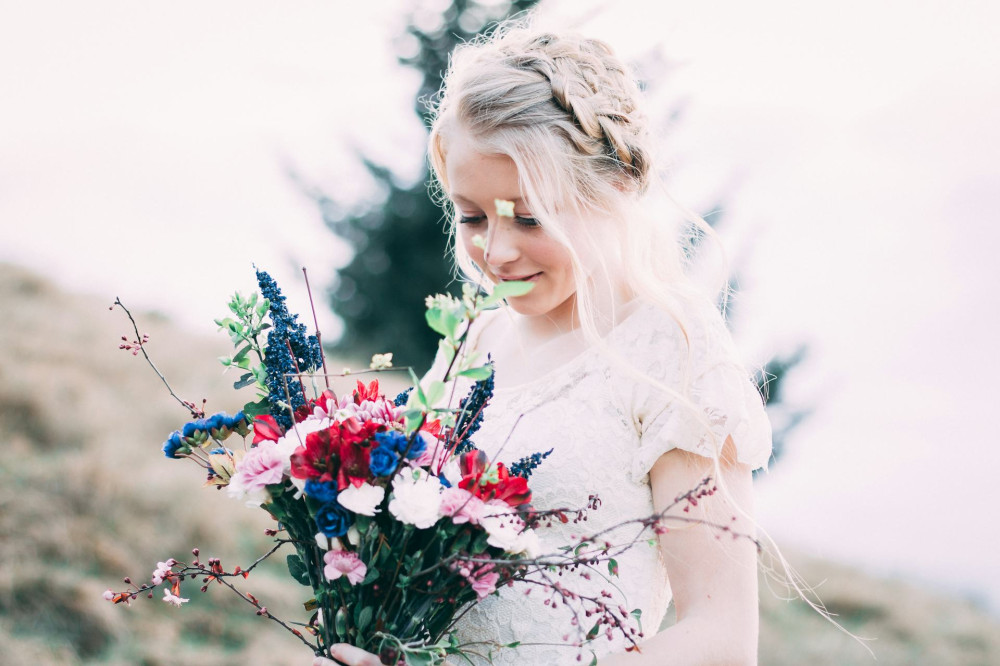
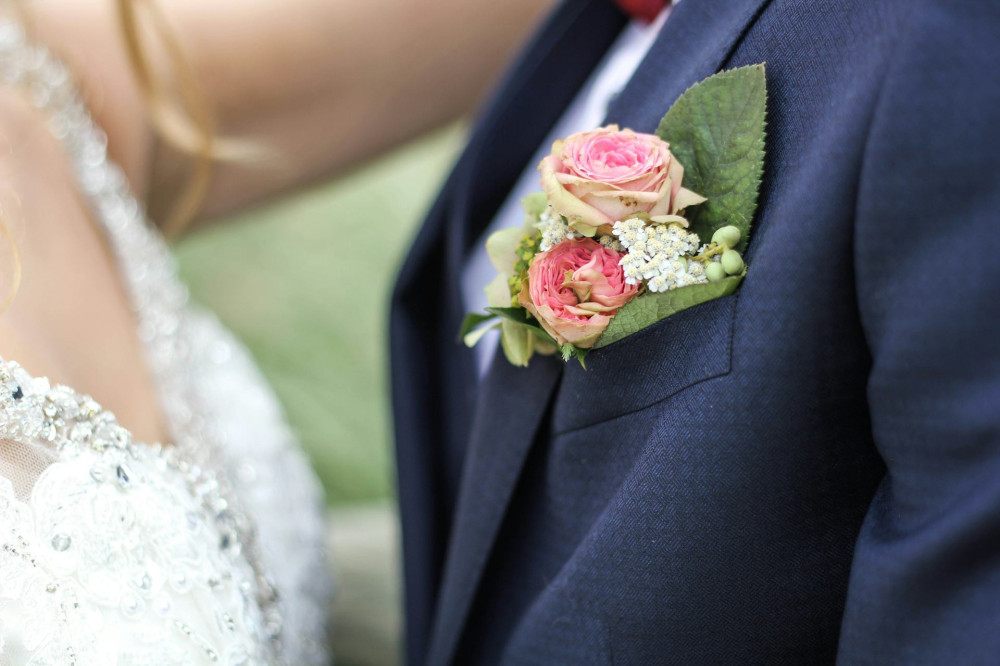
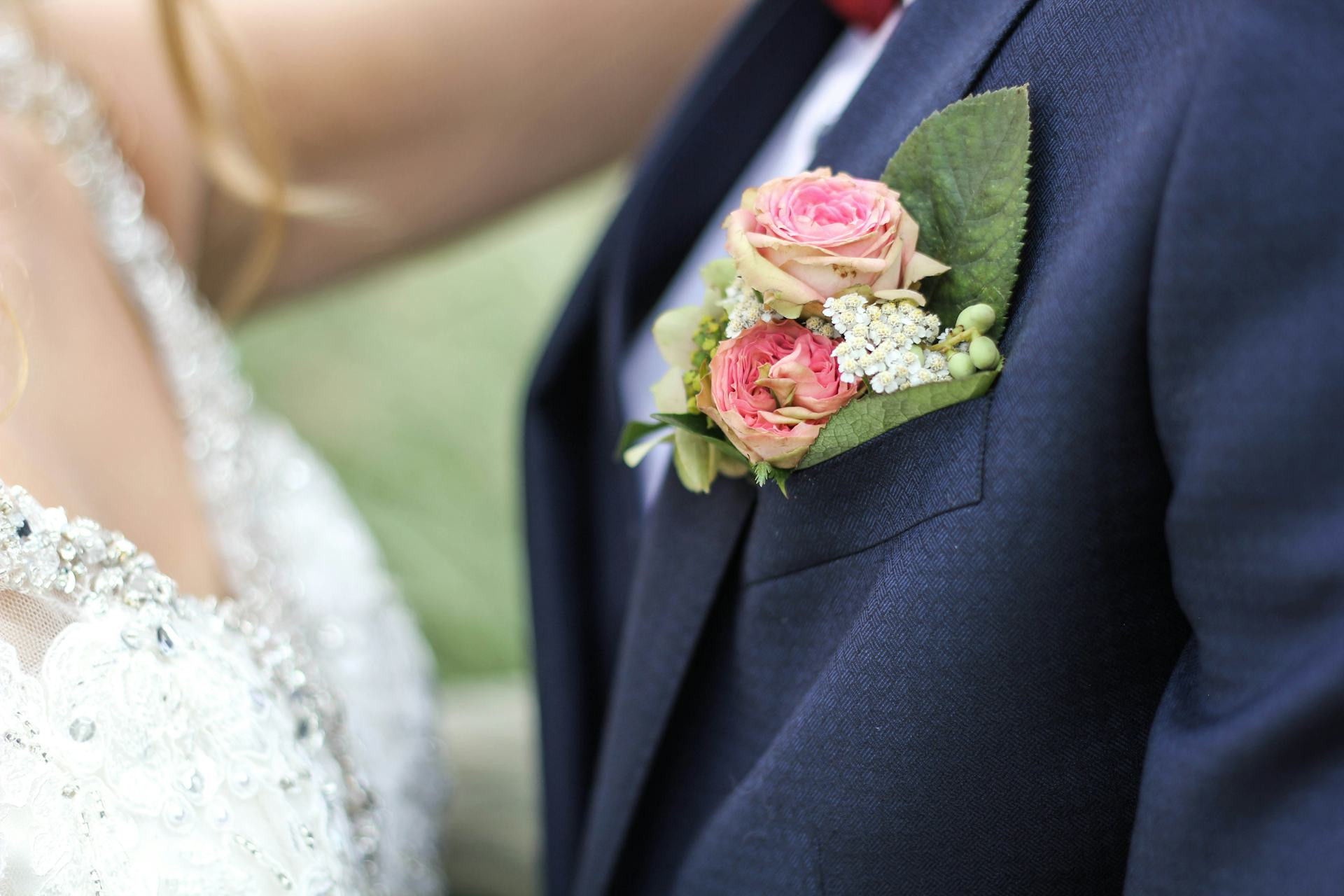
When selecting a tie or bow tie, look for ways to subtly connect with the bride’s look. If her bouquet includes hints of color—say, dusty rose or sage green—you can incorporate that shade into your tie, pocket square, or boutonniere. These small touches create a visual link between you and your partner without feeling overly coordinated.
Shoes should match the tone of the suit and belt. Dark brown leather pairs well with navy and gray suits, while black shoes are best reserved for the most formal looks, such as tuxedos or black-tie events.
Make It Personal
While coordination is important, your outfit should still reflect your personality. Whether you prefer a classic two-piece suit, a three-piece ensemble with a vest, or a modern tuxedo, the key is to feel comfortable and confident. A tailored fit makes all the difference—it ensures you look sharp and feel at ease throughout the day.
Consider adding personal details that make the outfit uniquely yours: monogrammed cuffs, a custom lining, or a family heirloom accessory. These small elements add meaning and individuality to your look.
Picture-Perfect Harmony
When you stand side by side for photos, the interplay of colors and textures becomes even more noticeable. It’s a good idea to compare fabrics and tones in advance—bring a swatch of the bride’s dress or coordinate fittings to see how your outfits complement each other in different lighting.
Photographers often highlight contrast and texture, so a suit with a subtle weave or matte finish can look striking next to a gown with shine or intricate detailing.
A Look That Reflects You as a Couple
The perfect groom’s attire isn’t just about fashion—it’s about creating a unified look that reflects who you are as a couple. When colors, fabrics, and details come together seamlessly, the result is both elegant and personal. Most importantly, you’ll both feel like the best versions of yourselves—ready to celebrate your day in style, together.
Læs også: