Planning That Works: Healthy Eating Habits for the Whole Family


Planning That Works: Healthy Eating Habits for the Whole Family
Between work, school, sports, and busy evenings, it can be hard to keep healthy eating on track. But with a little planning and a few simple routines, your family can enjoy meals that are nutritious, varied, and realistic to prepare. Here’s how to make meal planning work for your household—so healthy eating becomes a natural part of everyday life.
Make Planning a Habit
The first step toward healthier eating is planning ahead. It doesn’t have to be complicated. A weekly meal plan can save time, money, and stress. Set aside a few minutes each week to plan meals together as a family. When kids help choose what’s on the menu, they’re more likely to eat it.
Think about variety when planning: include fish or seafood once or twice a week, try a meatless meal, and add plenty of colorful vegetables. This keeps meals interesting and ensures everyone gets the nutrients they need.
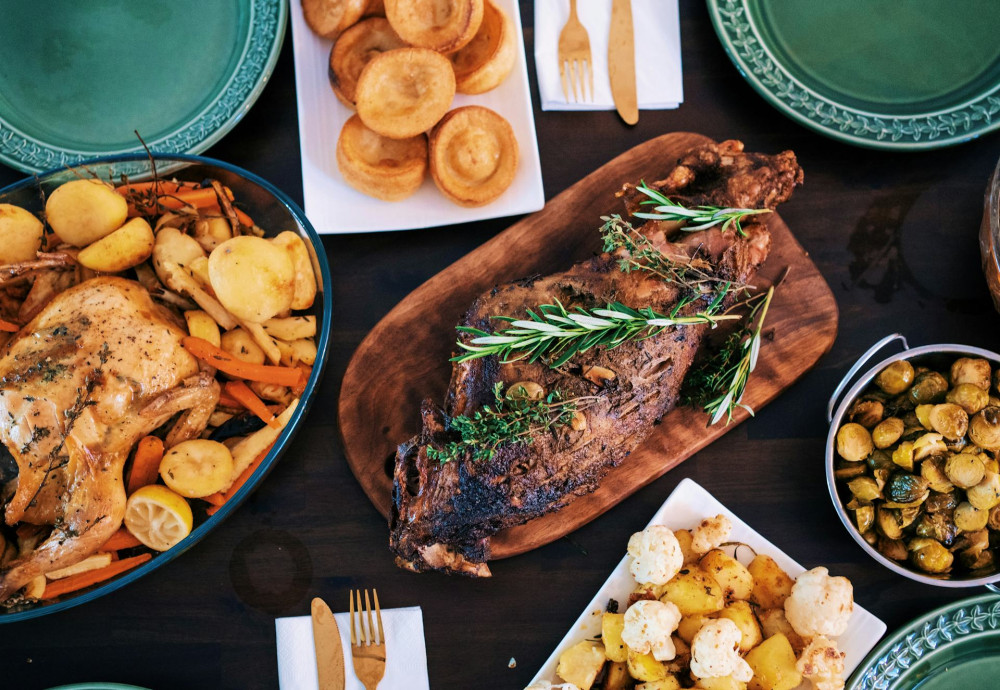
It’s also helpful to have a few “go-to” meals that are quick, healthy, and family favorites—like veggie-packed pasta, sheet-pan chicken with roasted vegetables, or bean and rice burritos.
Shop with a Plan
Once your meal plan is ready, grocery shopping becomes much easier. Make a list based on your plan and stick to it. This helps avoid impulse buys and ensures you have everything you need for the week.
Try to do one main grocery trip each week, with a smaller midweek stop for fresh produce or dairy. This saves time and helps you resist the temptation of takeout when you’re tired.
Keep a pantry stocked with healthy basics—whole-grain pasta, brown rice, canned beans, frozen vegetables, eggs, and canned tuna or tomatoes. With these staples, you can always pull together a quick, nourishing meal, even when plans change.
Læs også:
Cook Together
Cooking doesn’t have to be a chore—it can be a fun family activity. Kids can wash vegetables, set the table, or stir ingredients, depending on their age. Involving them teaches valuable skills and helps them feel connected to what they eat.
When children help in the kitchen, they’re often more curious about food and more willing to try new things. Let them pick a recipe now and then—it’s a great way to build confidence and enthusiasm.
For busy nights, consider cooking double portions and freezing leftovers. Having a healthy meal ready to heat up can make all the difference on hectic days.
Small Changes, Big Impact
Healthy eating isn’t about strict rules—it’s about balance. Small, consistent changes can make a big difference:
- Choose whole-grain bread and pasta instead of white.
- Use herbs and spices instead of extra salt.
- Serve water or milk instead of sugary drinks.
- Fill half the plate with fruits and vegetables.
- Keep cut-up veggies and fruit in the fridge for easy snacking.
When these habits become part of your routine, they don’t feel like sacrifices—they simply become your new normal.
Create Calm Mealtimes
Even the best meal plan won’t work if dinner feels rushed or stressful. Try to make mealtime a calm, screen-free moment to connect. Turn off the TV, put away phones, and enjoy the time together. It’s good for digestion—and for family relationships.
Having a regular dinner time helps create structure, especially for kids. When meals become a daily gathering, it’s easier to maintain healthy habits.
Make Health a Positive Experience
Healthy eating shouldn’t feel like a chore—it should feel good. Focus on what you gain: energy, flavor, and togetherness, rather than what you’re avoiding. When the whole family experiences that healthy food can be delicious and satisfying, it becomes a natural part of life.
With a bit of planning, teamwork, and creativity, you can build a food culture that lasts—not just for a week, but for a lifetime.
Læs også: