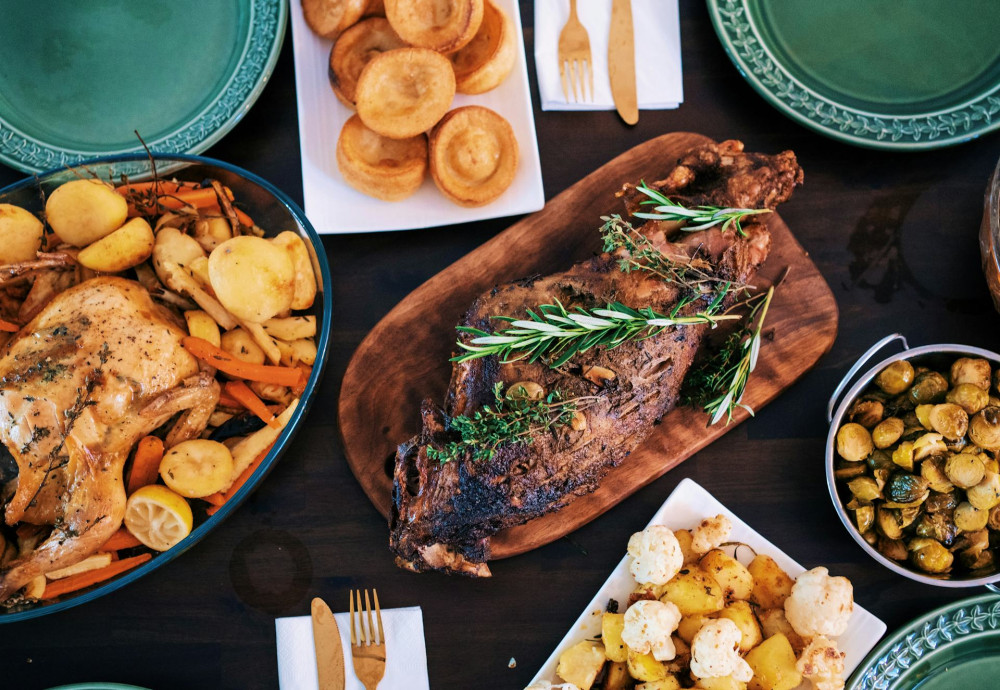
Healthy Meals for the Whole Family – Customize Them to Your Needs and Taste

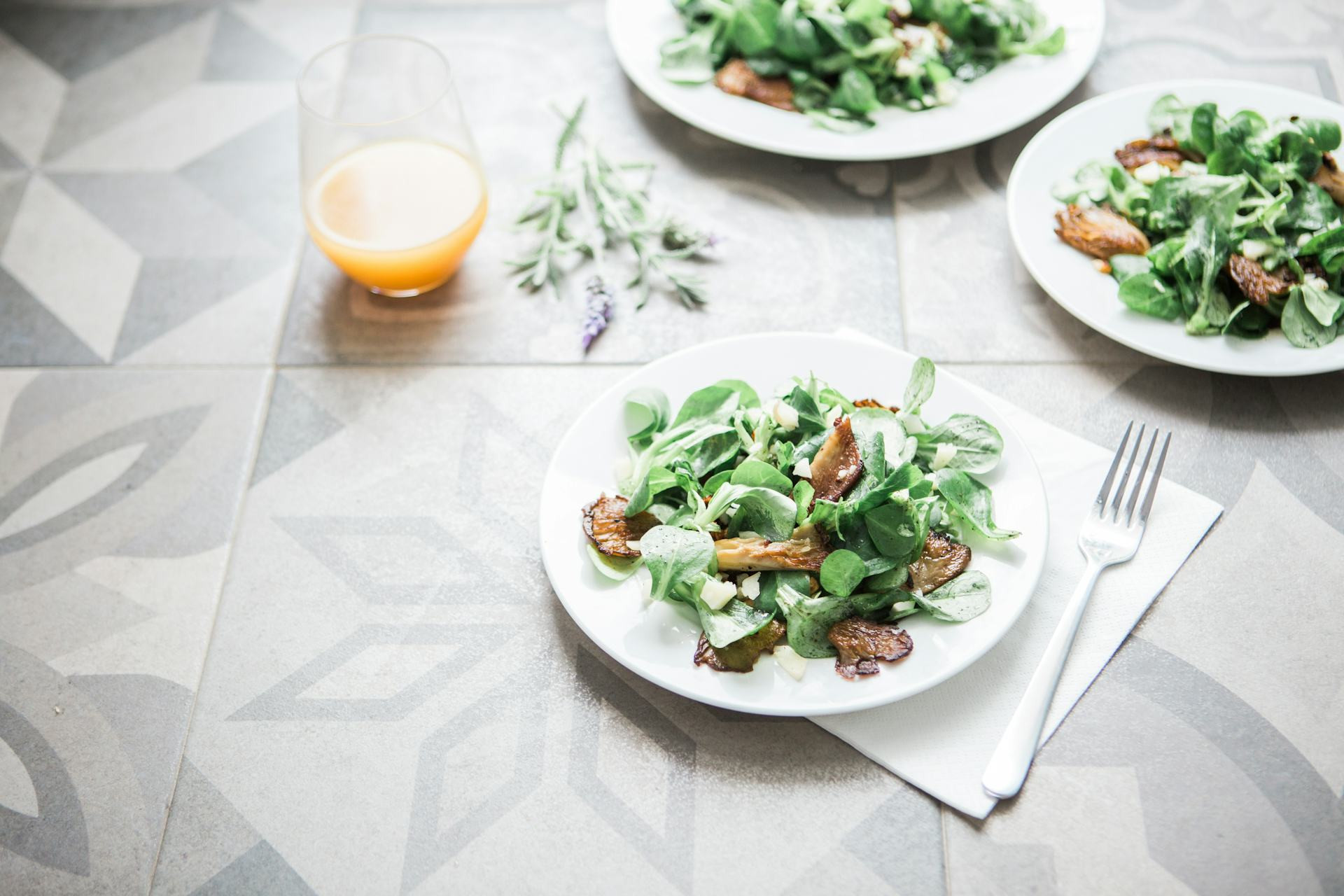
Healthy Meals for the Whole Family – Customize Them to Your Needs and Taste
Eating healthy as a family isn’t about strict diets or complicated recipes. It’s about finding a balance where food tastes good, provides energy, and fits everyone’s needs—from toddlers to teens to adults. With a few smart adjustments, you can create meals that are nutritious, flexible, and realistic for busy American families.
Here’s how to build healthy meals that work for everyone—and how to easily adapt them to different tastes, ages, and activity levels.
The Basics of a Healthy Family Meal
A healthy meal doesn’t have to be perfect—it just needs to give your body what it needs. A simple way to think about it is to divide your plate into three parts:
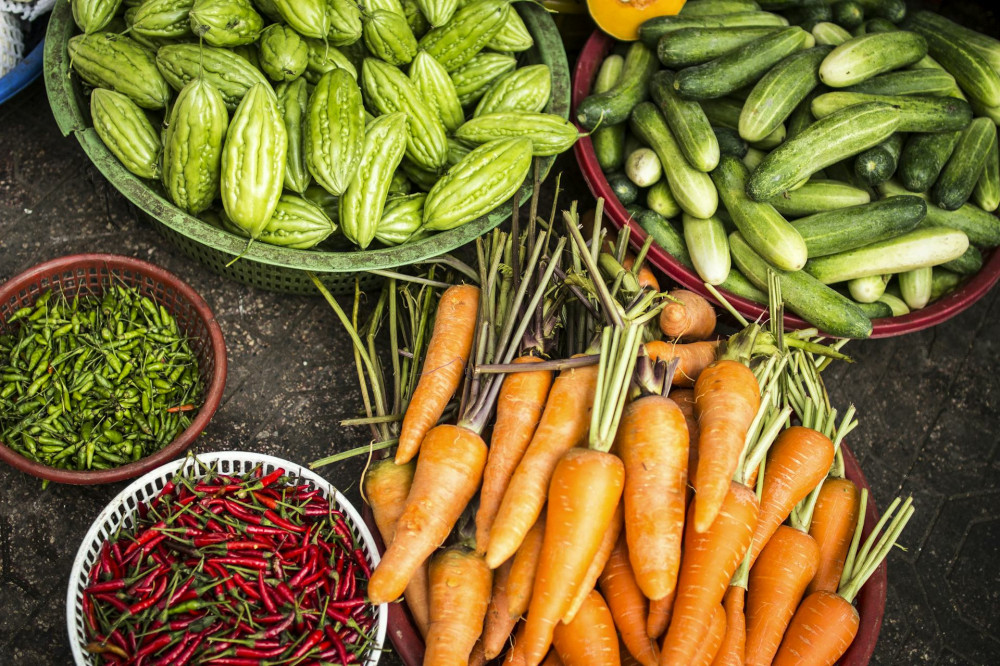
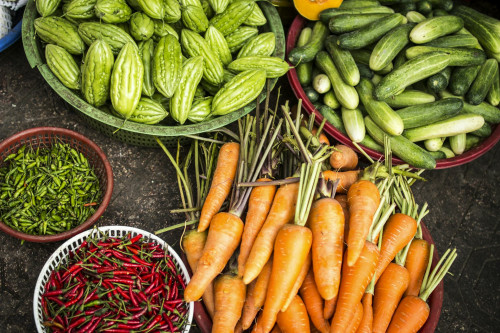
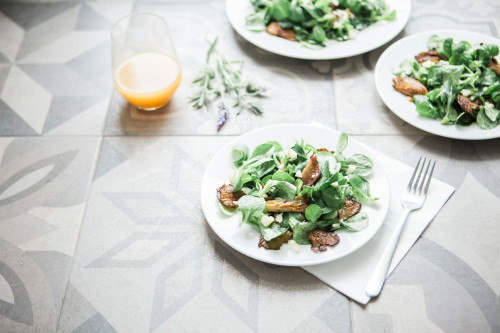
- Fruits and vegetables – Fill half your plate with colorful produce. They add fiber, vitamins, and fullness.
- Whole grains or starches – Choose brown rice, whole-wheat pasta, quinoa, or potatoes for lasting energy.
- Protein – Include chicken, fish, eggs, beans, lentils, or lean meat to help build and repair muscles.
When you build meals this way, you get a good balance of nutrients and flavor—and it becomes easier to mix things up without losing track of what’s healthy.
Make It Easy to Customize
No two family members have exactly the same needs. Kids need energy for growth and play, while adults may want to maintain their weight or focus on heart health. That’s why build-your-own meals can be a great solution.
Try a mix-and-match dinner: Prepare a base like brown rice or whole-grain pasta, a variety of roasted or steamed vegetables, and a couple of protein options such as grilled chicken, shrimp, or black beans. Everyone can build their own plate, choosing what they like and how much they want. It’s flexible, fun, and helps reduce food waste.
Flavor That Brings Everyone Together
Healthy food should taste great. Use herbs, spices, citrus, and a drizzle of olive oil to add flavor without relying on heavy sauces or too much salt. Kids often respond well to familiar tastes, so start with dishes they already enjoy—just make them a bit healthier.
- Make homemade pizza with whole-wheat crust and plenty of veggie toppings.
- Try a taco night with lean ground turkey, beans, and fresh salsa.
- Serve pasta with veggie-packed sauce, blending carrots, spinach, or zucchini into the tomato base.
When food feels exciting and familiar, it’s easier for everyone to stick with healthy habits.
Get the Kids Involved
Children who help in the kitchen are often more curious about food and more willing to try new things. Let them wash vegetables, stir ingredients, or help plan the week’s menu. It gives them a sense of ownership—and turns cooking into quality family time.
You can also use cooking as a way to talk about how food fuels the body and why different people need different nutrients. It makes healthy eating positive and practical, not about restrictions.
Læs også:
Planning Makes Life Easier
Time is one of the biggest challenges for families. That’s where planning comes in. Create a weekly meal plan, and use weekends to prep some ingredients in advance.
Cook extra grains, roast a tray of vegetables, or make a big batch of chili or soup that can be used for multiple meals. Having healthy options ready to go makes it easier to eat well, even on hectic weeknights.
Adjust for Different Needs and Life Stages
Family needs change over time. Young children need healthy fats and iron for growth, teens need extra energy, and adults may focus on maintaining energy levels or supporting heart health.
You can make small adjustments without cooking separate meals. Add avocado or nuts to a child’s portion for extra calories, or serve a side salad or extra veggies for adults. It’s about small tweaks, not big compromises.
Mealtime as Family Time
Meals are more than just food—they’re moments of connection. Eating together helps strengthen relationships and teaches kids healthy habits by example.
Try to make mealtime calm and enjoyable: turn off screens, light a candle, and take time to talk. When meals are relaxed and social, healthy eating becomes something everyone looks forward to.
Small Steps, Big Results
You don’t have to change everything overnight. Start with small steps—swap white bread for whole-grain, add one more vegetable to dinner, or choose water instead of soda.
Over time, these small changes add up to lasting habits. You’ll find that healthy eating isn’t a chore—it’s a natural, enjoyable part of everyday family life.
Læs også: