Green Harmony: How to Combine Plants for a Beautiful and Vibrant Home

Green Harmony: How to Combine Plants for a Beautiful and Vibrant Home
Plants have the power to transform a home from plain to full of life. They bring color, texture, and a sense of calm that few other design elements can match. But creating a harmonious look takes more than just placing a potted plant on a windowsill. It’s about combining shapes, colors, and sizes in a way that fits your home’s style and lighting. Here’s how to create green harmony in your space—whether you live in a small apartment or a spacious house.
Create Balance with Different Heights and Shapes
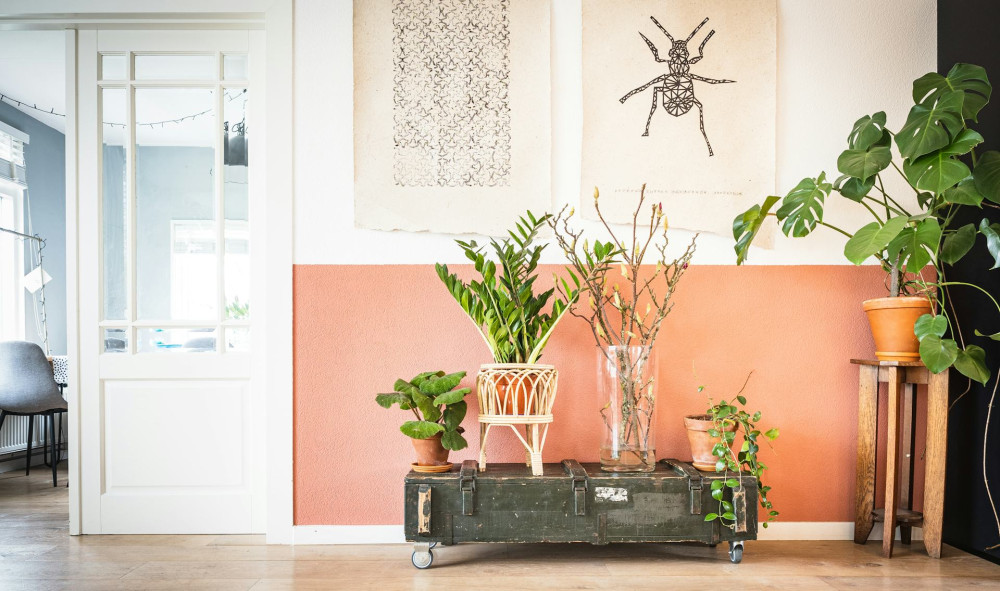
One of the easiest ways to add energy to your décor is by playing with plant height and form. Combine tall plants like fiddle-leaf fig or snake plant with smaller ones such as succulents or pothos. This creates a natural, layered look that draws the eye through the room.
Pay attention to leaf shape as well: large, round leaves give a soft and calm impression, while narrow or pointed leaves add contrast and movement. Mixing the two creates a balanced and dynamic composition.
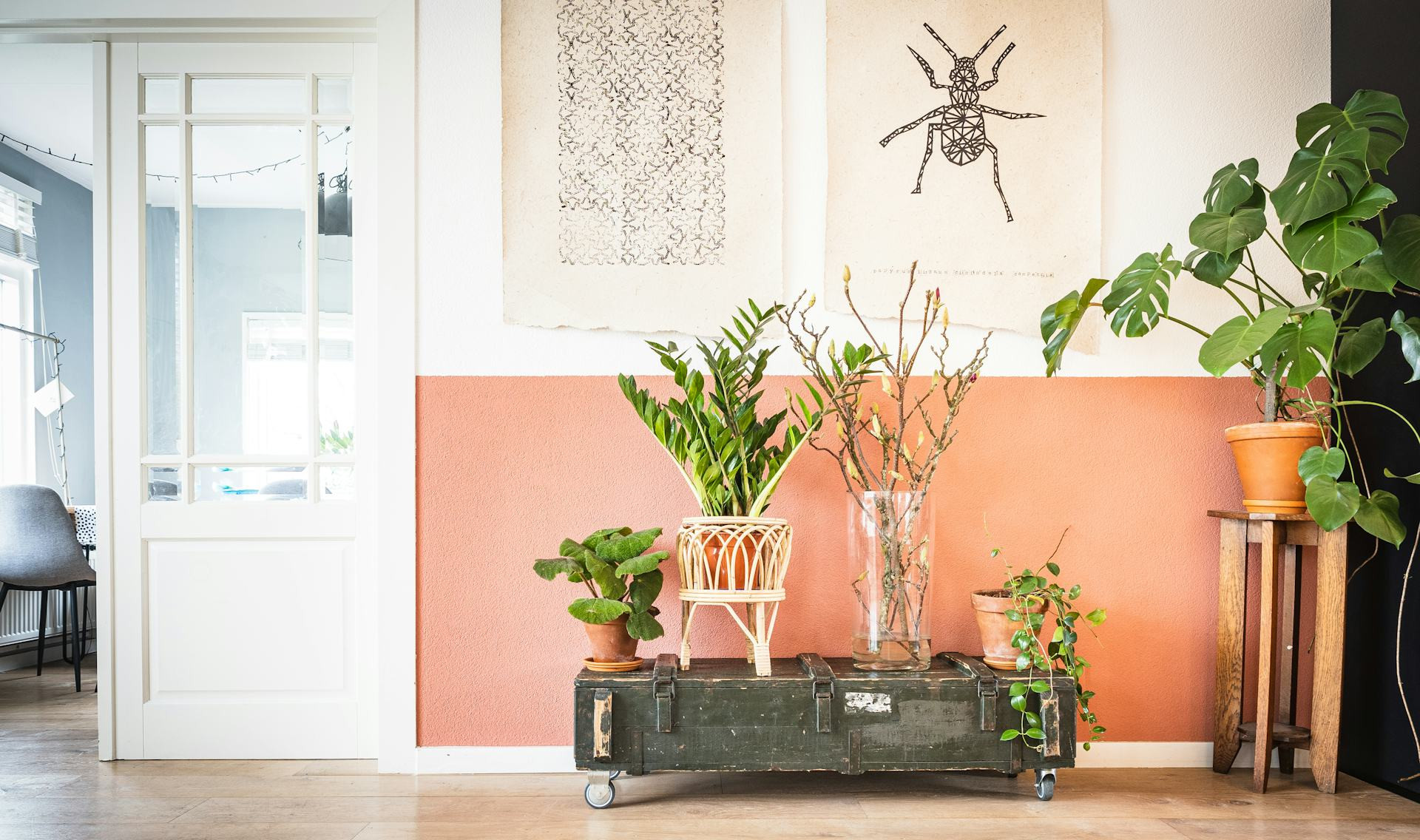
A good tip is to group plants together instead of scattering them around. Clusters of three to five plants in varying heights on a shelf, side table, or in a corner create a thoughtful green focal point.
Color and Texture – Nature’s Own Palette
Even though most plants are green, there’s a wide range of shades and textures to explore. Some have dark, glossy leaves, while others are light and matte. Combining different surfaces adds depth and visual interest.
If you want a touch of color, choose plants with reddish, purple, or silvery tones—like calathea, coleus, or succulents with colorful blooms. They break up the green in a subtle way and make your space feel more personal.
For a calm, minimalist look, stick to a few color tones and let texture take center stage. If your style leans more bohemian, mix freely to create a lush, almost jungle-like atmosphere.
Light and Placement – The Key to Healthy Plants
Even the most beautiful arrangement will lose its charm if the plants don’t thrive. Light conditions in your home are crucial when choosing which species to grow.
- South-facing windows provide plenty of sunlight and are ideal for cacti, aloe vera, and jade plants.
- North-facing rooms get less light and suit shade-tolerant varieties like ferns, peace lilies, and pothos.
- East- and west-facing windows offer balanced light that works well for most houseplants.
Move your plants a few times a year to adjust to seasonal changes in light. And remember—plants don’t like drafts or direct heat from vents or radiators.
Use Pots and Planters as Part of Your Design
Pots and planters are more than just containers—they’re an important part of your home’s aesthetic. Choose materials that match your style: terracotta adds warmth and a natural feel, while ceramic or metal planters can look sleek and modern.
You can create cohesion by choosing pots in similar colors but different shapes and sizes. Or go the opposite route and use contrast to highlight your plants. A simple green plant in a colorful pot can become a small piece of art.
If you’re short on floor space, consider hanging planters or wall-mounted shelves. They add height and airiness while drawing the eye upward.
Combine Function and Beauty
Plants do more than decorate—they can also improve your home’s environment. Some purify the air, others reduce noise, and many simply make you feel more relaxed. By choosing thoughtfully, you can combine aesthetics and function.
- Peace lilies and snake plants are known for their air-purifying qualities.
- Lavender and rosemary add a pleasant scent and can be used in cooking.
- Cacti and succulents require minimal care, perfect for busy lifestyles.
Think about how plants can support each room’s purpose. In the bedroom, choose calming green plants, while the kitchen is perfect for herbs and fragrant varieties.
Læs også:


Embrace Seasonal Changes
A lively home evolves with the seasons—and your plants can too. In spring, add flowering varieties like hyacinths or tulips in pots. In winter, bring in evergreens, dried flowers, or branches to keep your décor feeling alive.
By swapping out a few plants throughout the year, you can keep your home fresh and inspiring without major changes.
Green Harmony Is About the Whole Picture
Combining plants is ultimately about creating balance—between light and shadow, height and depth, calm and variety. When you find the right rhythm, your plants become more than decoration; they become an integral part of your home’s atmosphere.
A green home feels alive because it’s always changing. New leaves unfurl, colors shift, and you’re reminded of nature’s rhythm in your everyday life. That’s the essence of true green harmony.
Læs også: