What Is Applied Art? When Everyday Objects Turn Into Little Works of Art

What Is Applied Art? When Everyday Objects Turn Into Little Works of Art
Applied art is a term that often appears when we talk about design, craftsmanship, and everyday aesthetics—but what does it really mean? In short, applied art refers to objects that combine practical function with artistic expression. These are things we use daily, yet they’re created with attention to form, color, and beauty. From a hand-thrown mug on the breakfast table to a woven basket by the door, applied art brings together the useful and the beautiful.
When Function Meets Aesthetics
At the heart of applied art lies the balance between function and aesthetics. A chair must be comfortable to sit in, but it can also be a pleasure to look at. A vase should hold flowers, but its shape and glaze can make it a small work of art in itself. It’s in this meeting of the practical and the artistic that applied art truly comes alive.
Many designers and craftspeople consciously explore this duality. They aim to create objects that make everyday life more sensory—where you can feel the material, see the maker’s hand, and sense the thought behind the form. It’s a counterpoint to the uniformity of mass production and a reminder that beauty can be found in the ordinary.
A Tradition with Deep Roots
Applied art has a long and rich history. In the late 19th and early 20th centuries, the Arts and Crafts movement emerged in Britain and quickly influenced artists and designers in the United States. Figures like Gustav Stickley and the Roycroft community championed craftsmanship, honesty in materials, and the idea that art should be part of everyday life.
This philosophy shaped American design for decades, influencing everything from furniture and ceramics to architecture. The movement’s ideals can still be seen today in the enduring appeal of handcrafted objects and the emphasis on simplicity, quality, and authenticity.
The Craft Revival
In recent years, applied art has experienced a renaissance. Many people are turning away from mass-produced goods and rediscovering the value of handmade, one-of-a-kind pieces. Ceramics, textiles, woodworking, and glass art are thriving again—both as hobbies and as professional crafts.
Social media has played a big role in this revival, allowing artisans to share their work and stories directly with audiences. Consumers increasingly appreciate knowing who made the objects they bring into their homes. A handwoven rug or a hand-thrown bowl becomes more than just an item—it carries a story of time, patience, and creativity.
Læs også:
Applied Art in the Home
Decorating with applied art isn’t about creating a perfect home; it’s about adding warmth and personality. Small details can make a big difference: a handmade candleholder on the dining table, a unique mug for your morning coffee, or a textile wall hanging that gives a room character.
When we surround ourselves with objects made with care, it changes how we use and value them. We tend to take better care of them, appreciate them more deeply, and keep them longer instead of replacing them quickly. In that sense, applied art also supports a more sustainable lifestyle.
Create Your Own Applied Art
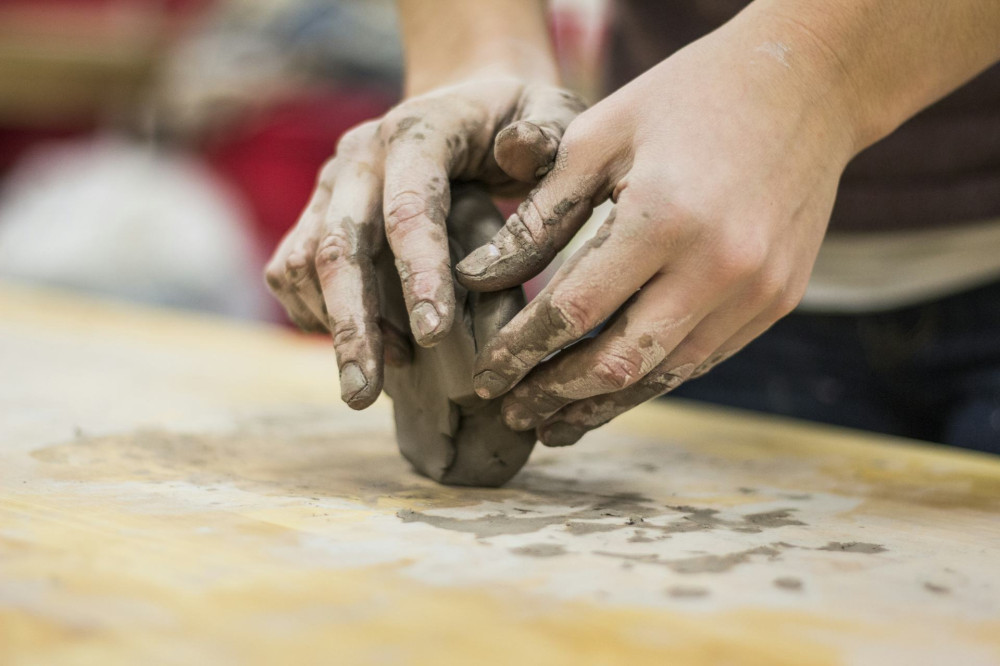
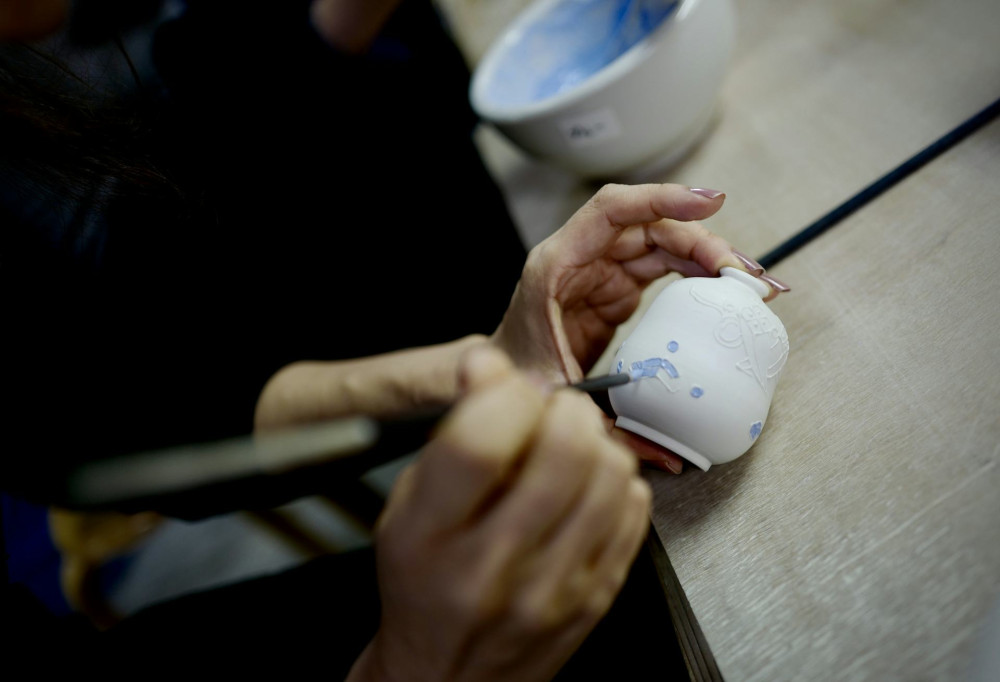
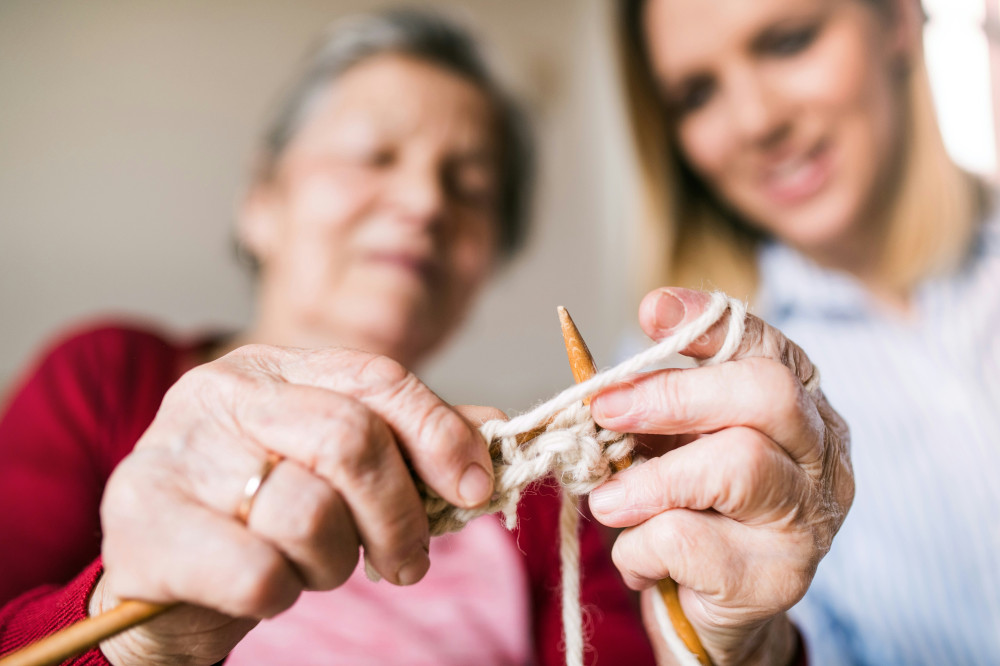
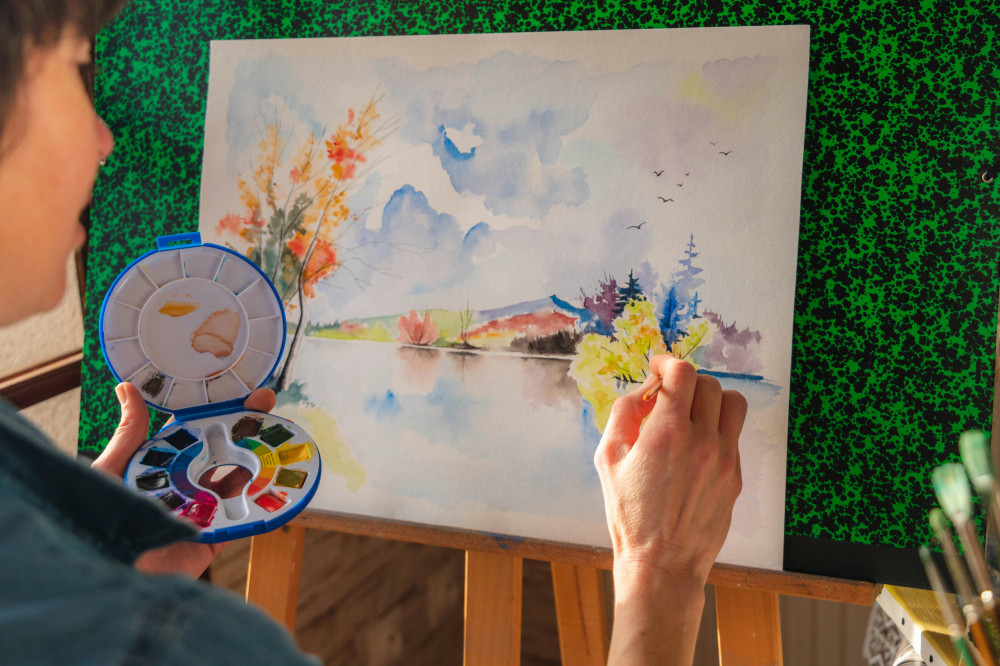
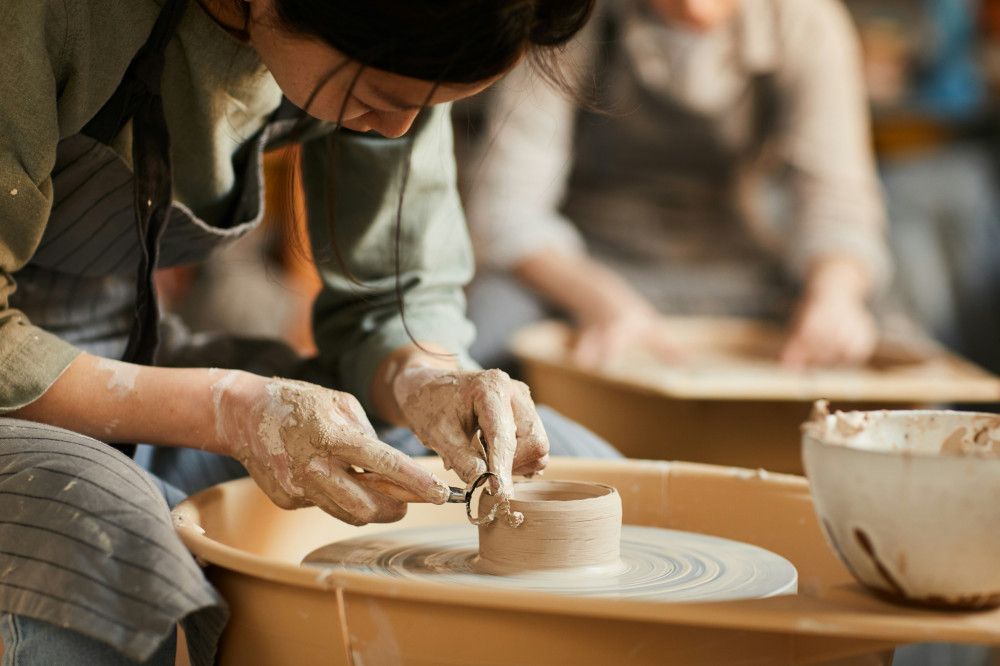
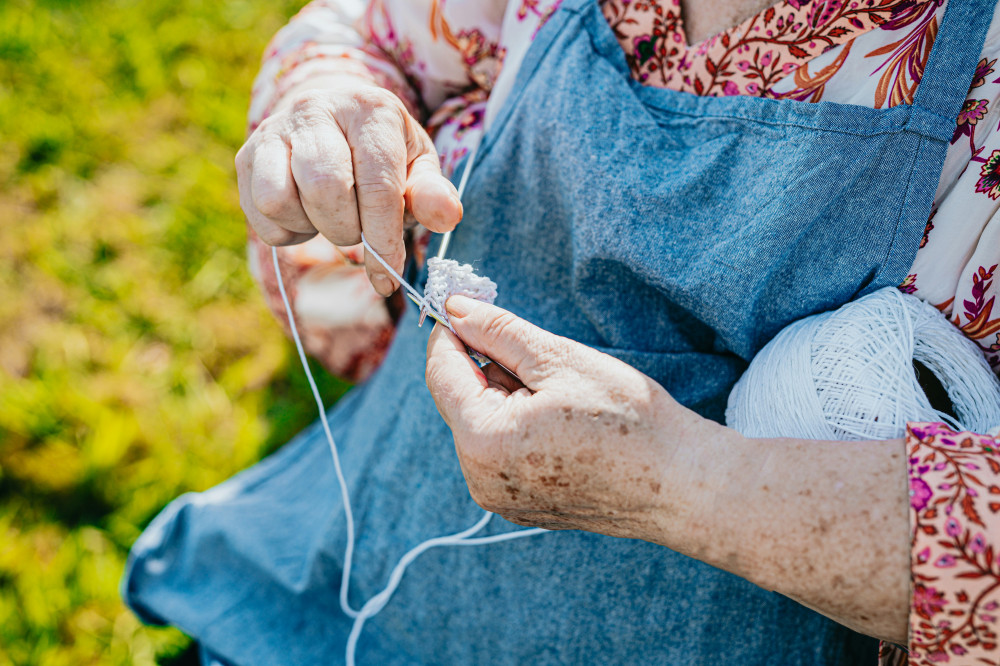
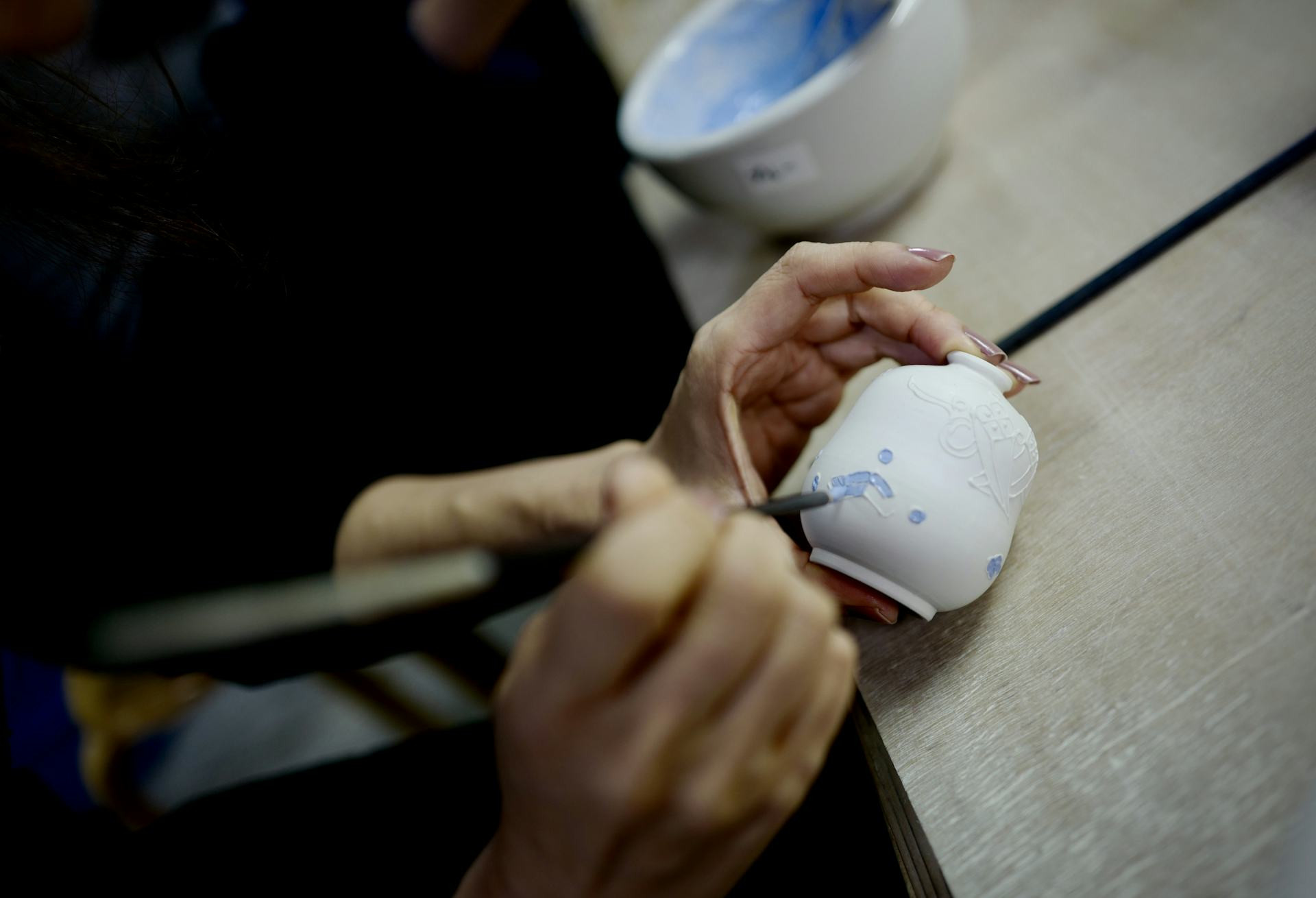
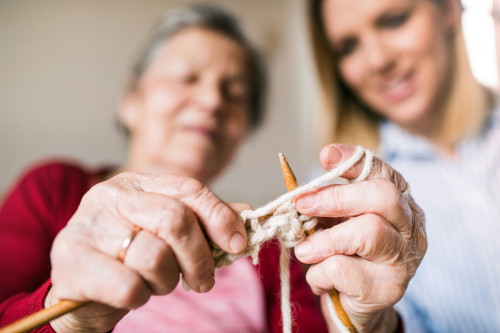
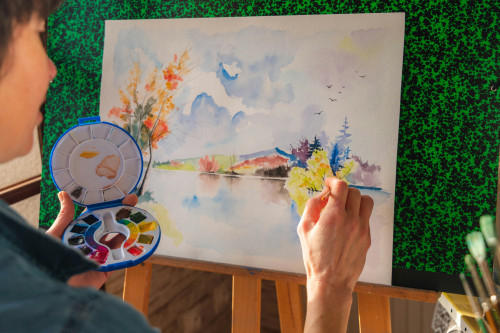
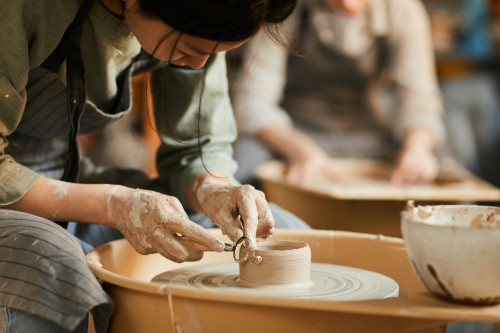
You don’t have to be a professional artist to create applied art. Many people find joy in making things with their own hands—throwing a bowl, sewing a pillow, painting ceramics, or weaving baskets. It’s not about perfection but about the process and the satisfaction of creating something tangible.
If you’d like to try it yourself, start small. Take a pottery class, learn to weave, or experiment with upcycling materials. The key is to let curiosity and creativity guide you.
When Everyday Life Becomes Beautiful
Applied art reminds us that beauty doesn’t only belong in museums or galleries. It can be found in the things we use every day—in a cup, a lamp, a blanket. When we choose objects that both serve a purpose and please the eye, daily life becomes a little more mindful, a little more beautiful.
Perhaps that’s what makes applied art timeless: it unites our need for function with our desire for beauty. And in a fast-paced world, it’s a gentle reminder that even the smallest things can be little works of art.
Læs også: