Sustainable Weight Loss: Build a Healthy Lifestyle That Lasts


Sustainable Weight Loss: Build a Healthy Lifestyle That Lasts
The dream of a healthier body and more energy is something many Americans share. Yet, weight loss is often tied to crash diets, strict rules, and guilt — and the results rarely last. Sustainable weight loss isn’t about losing pounds fast; it’s about building habits that support your well-being for the long run. Here’s how you can create a healthy lifestyle that truly lasts.
Forget the Quick Fix — Think Long Term
Most fad diets promise dramatic results but often backfire. When you drastically cut calories or eliminate entire food groups, your body responds by slowing your metabolism and increasing hunger. The result? The weight often comes back — sometimes with extra pounds.
Sustainable weight loss takes patience. It’s about finding a balance where you eat well, move regularly, and feel good in the process. Small, consistent changes that fit your life will always beat extreme measures you can’t maintain.
Læs også:



Eat Smart — Not Necessarily Less
Healthy weight loss isn’t just about eating less; it’s about eating better. Focus on foods that nourish your body, keep you full, and give you energy.
- Fill half your plate with vegetables – they’re low in calories, high in nutrients, and help you feel satisfied.
- Choose whole grains instead of refined ones – they stabilize blood sugar and keep you full longer.
- Prioritize protein – from fish, chicken, eggs, beans, or lentils. Protein helps preserve muscle mass while losing fat.
- Stay hydrated – water supports metabolism and can help prevent overeating.
- Allow yourself treats – a cookie or a glass of wine now and then won’t derail your progress. Balance matters more than perfection.
When you eat mindfully and pay attention to your body’s signals, it becomes easier to find the right amount of food for your needs.
Make Movement Part of Everyday Life
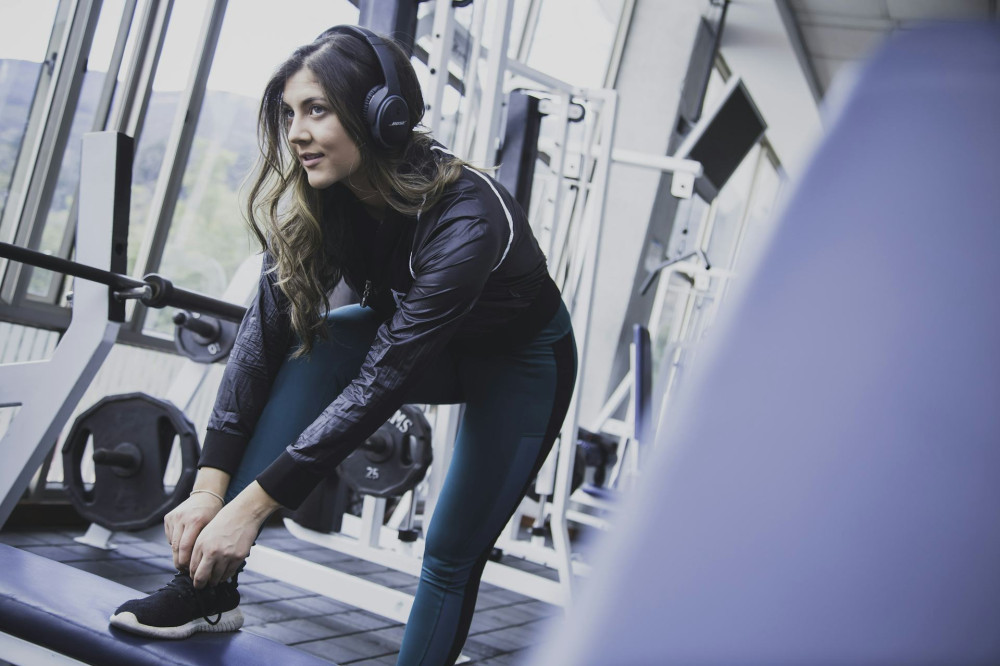
Exercise is key to sustainable weight loss — not just because it burns calories, but because it strengthens your body, boosts your mood, and increases energy. You don’t need to spend hours at the gym to see results.
- Walk or bike when possible.
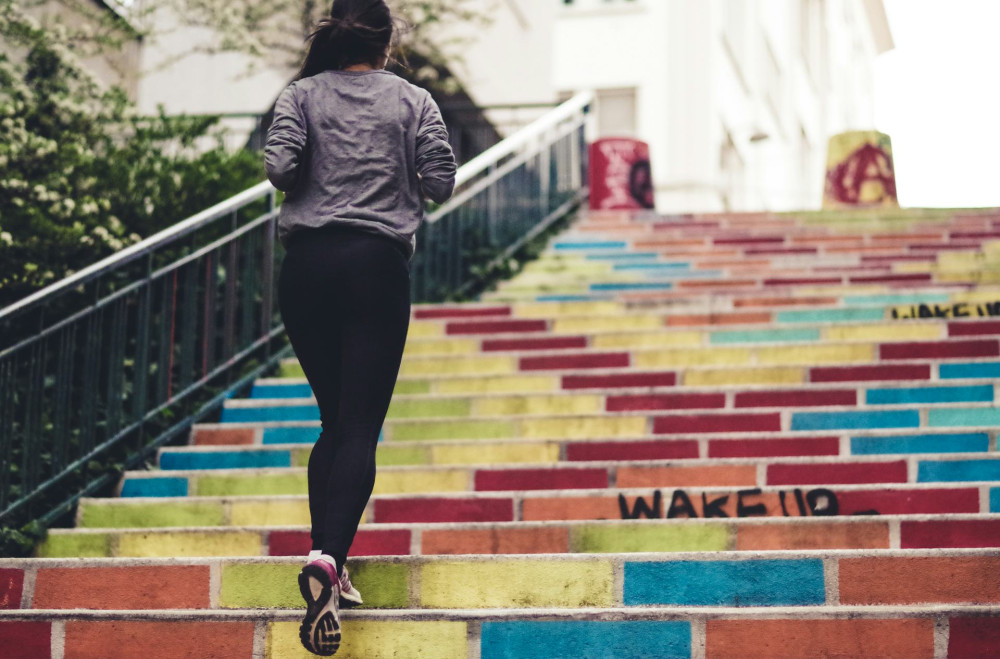
- Take the stairs instead of the elevator.
- Find activities you enjoy — dancing, swimming, yoga, or strength training.
- Set realistic goals and build up gradually.
The goal is to make movement a natural part of your day — not a punishment, but a source of well-being.
Sleep, Stress, and Habits — The Hidden Factors
Many people underestimate how much sleep and stress affect weight. Too little sleep can increase hunger hormones and make it harder to make healthy choices. Chronic stress can raise cortisol levels, which encourages fat storage, especially around the abdomen.
Create routines that support rest and recovery. Go to bed at a consistent time, limit screen use before sleep, and find ways to unwind — meditation, a walk, or time with loved ones. When your body and mind are balanced, it’s easier to maintain healthy habits.
Motivation and Realistic Goals
Sustainable weight loss requires motivation, but it has to come from within. Instead of focusing only on the number on the scale, think about how you want to feel — more energetic, stronger, more confident.
Set small, achievable goals — like walking three times a week or adding vegetables to every lunch. Each small success builds confidence and momentum. Over time, these small wins add up to lasting change.
A Lifestyle — Not a Diet
In the end, sustainable weight loss is about creating a lifestyle you can live with. That means making room for both health and enjoyment, structure and flexibility. When you find a rhythm that fits your life, weight loss stops being a struggle and becomes a natural part of your routine.
It’s not about being perfect — it’s about being consistent. Step by step, day by day, those small choices lead to lasting results.
Læs også: