Falling in Love Through the Decades – How It Changes with Life

Falling in Love Through the Decades – How It Changes with Life
Falling in love is one of the most universal human experiences—but it doesn’t feel the same at every stage of life. The rush of first love in youth rarely resembles the calm, steady connection that can come later on. As our experiences, priorities, and sense of self evolve, so does the way we fall in love. Here’s a look at how love transforms through the decades—from the butterflies of early romance to the deep companionship that grows with time.
The Early Years – Intensity and Discovery
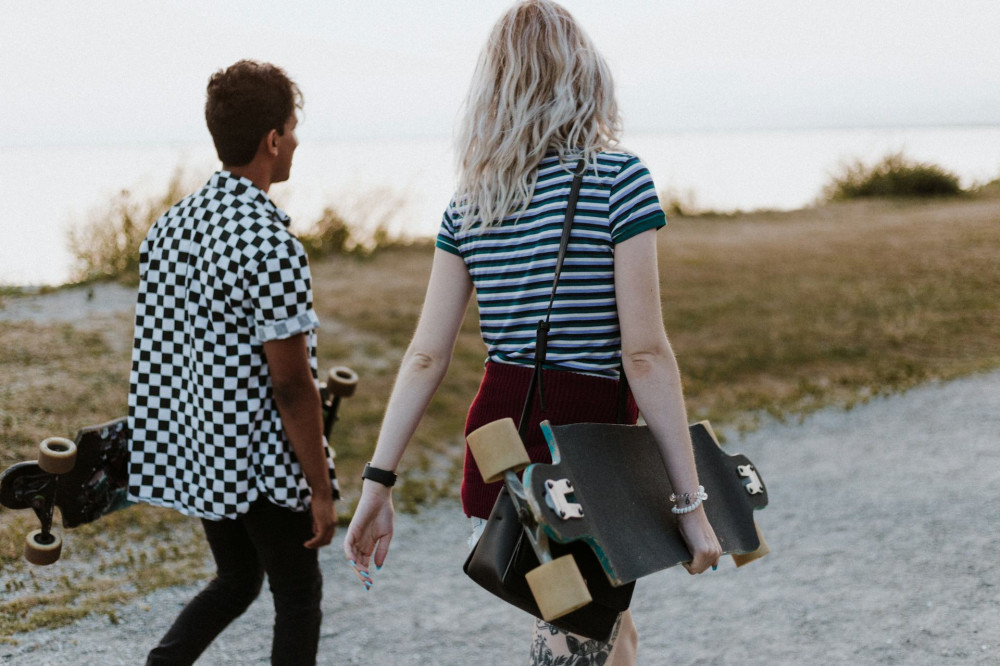
In our teens and early twenties, love often feels all-consuming. Everything is new, and emotions run high. We dive in headfirst, driven by curiosity, passion, and the thrill of being chosen. Falling in love at this age is as much about discovering who we are as it is about finding someone else.
There’s idealism in young love—the belief that it can conquer anything. We project dreams onto our partners and imagine a perfect future. These early relationships teach us what love feels like, both in its joy and in its heartbreak. They shape our expectations and help us understand what we truly value in connection.
The 30s – Balancing Passion and Practicality
By the time we reach our thirties, most of us have experienced both love and loss. We’ve learned that chemistry alone doesn’t sustain a relationship and that lasting love requires effort, communication, and compromise. Many people are building careers, raising children, or buying homes, and love must fit into a busy, demanding life.
Falling in love in this decade can still be passionate, but it’s often more intentional. We know ourselves better and have a clearer sense of what we want—and what we won’t settle for. Some become more selective, while others open up more deeply, ready for a partnership built on mutual respect and shared goals.
Læs også:


The 40s and 50s – Rediscovery and Depth
Midlife often brings change—divorce, children leaving home, or a shift in priorities. For many, this is a time of rediscovery. Falling in love again can feel like reconnecting with a part of yourself that had been set aside. There’s a new appreciation for authenticity and emotional honesty.
At this stage, love is less about finding “the perfect person” and more about finding someone to share the next chapter with. There’s often a sense of calm and curiosity, a willingness to be vulnerable, and a focus on companionship over drama. Many describe this love as deeper and more grounded—less fireworks, more warmth.
60 and Beyond – Love with Life Experience
Love doesn’t fade with age—it simply changes shape. In later life, falling in love can be surprisingly liberating. You know who you are, what matters, and what doesn’t. There’s no need to impress or perform. Love becomes about companionship, laughter, and shared joy.
For some, it begins as friendship; for others, it’s a chance encounter that sparks something new. This stage of love is often free from the pressures of earlier years. It’s not about building a life together from scratch, but about enjoying the life you’ve built—side by side with someone who truly understands you.
Love as a Mirror of Life
Though love evolves with time, its essence remains the same: the desire to be seen, understood, and connected. It reminds us that we can still feel deeply, dream boldly, and hope fully—no matter our age.
Falling in love at 20 and at 60 are very different experiences, but both are real and meaningful. Love grows with us, reflecting who we are at each stage of life. Perhaps that’s what makes it timeless—it changes as we do, yet never truly disappears.
Læs også: