Faith, Philosophy, and Hope: Finding Meaning in Life After Loss


Faith, Philosophy, and Hope: Finding Meaning in Life After Loss
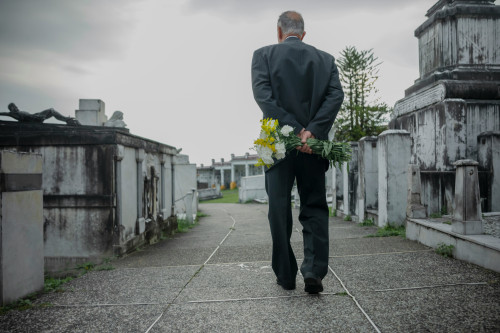
When life is shaken by loss—whether it’s the death of a loved one, the end of a relationship, or the collapse of a dream—the world can suddenly feel hollow. Grief can consume everything, leaving us asking: Why did this happen? How do I move forward? And is there any meaning left when everything feels meaningless? Finding meaning after loss isn’t about forgetting; it’s about learning to live with what has changed. Faith, philosophy, and hope can each offer a path toward rebuilding a sense of purpose when everything seems broken.
The Comfort of Faith – Leaning Into Something Greater
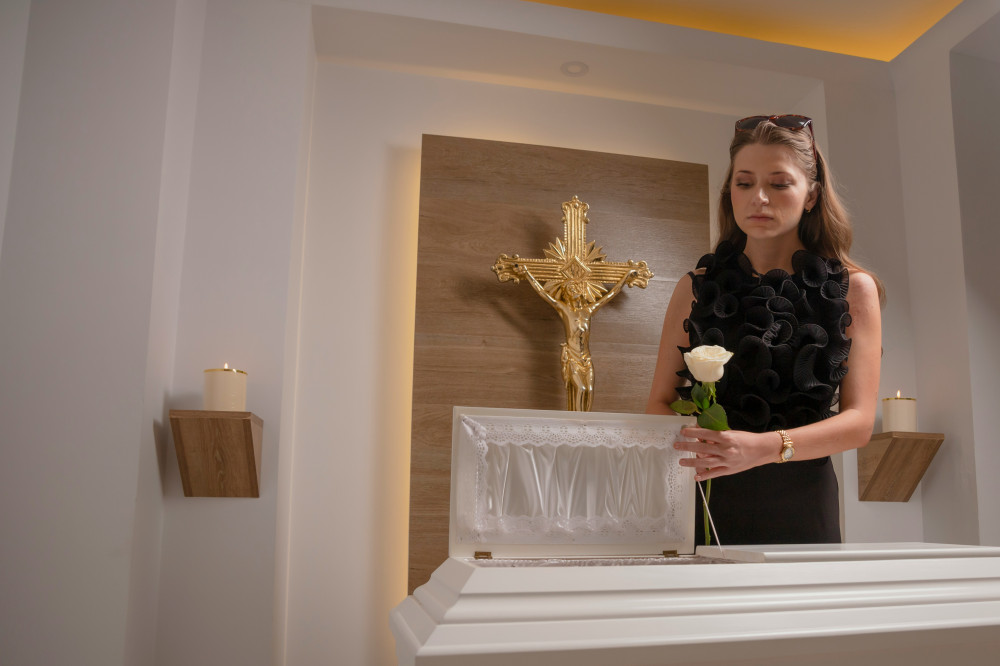
For many Americans, faith becomes an anchor in the storm. It can offer a sense that life has a deeper order, even when we can’t see it. Faith may take many forms: belief in God, trust in a higher power, or simply a quiet conviction that love endures beyond death. For others, faith might be more grounded—a belief in the healing power of time, in the rhythms of nature, or in the resilience of the human spirit.
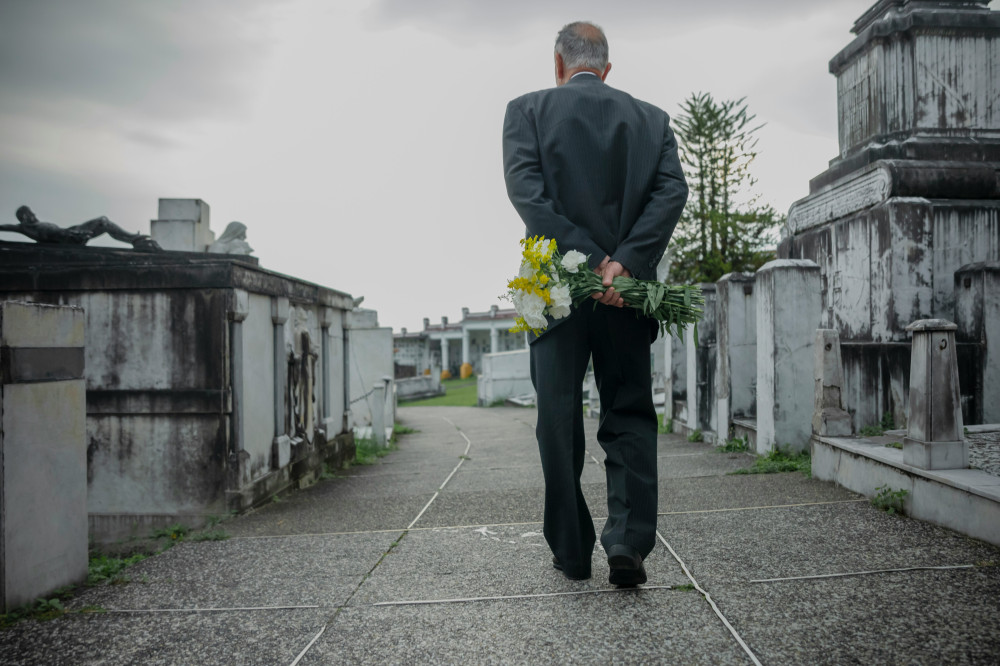
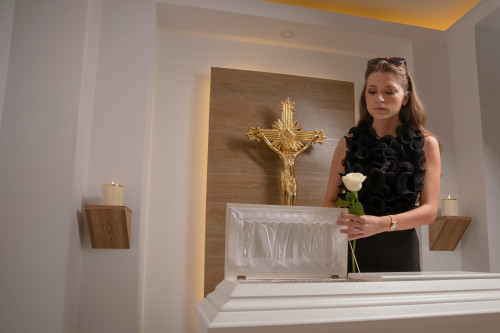
Finding comfort in faith doesn’t always mean finding answers. Sometimes it means finding a place to rest your questions. Rituals—lighting a candle, attending a service, visiting a memorial—can bring structure and peace to a chaotic time. Faith reminds us that we are not alone, and that the love we’ve lost still exists, transformed but not gone.
The Lens of Philosophy – Understanding Life’s Fragility
Philosophy offers another way to approach grief. It doesn’t just ask “why,” but “how” we can live with loss. Existential thinkers like Søren Kierkegaard and Albert Camus have suggested that suffering and loss are inseparable from being human. We cannot avoid pain, but we can choose how to respond to it.
Reflecting on life’s impermanence can feel heavy, but it can also deepen our appreciation for what truly matters. When we face death, life itself becomes more vivid. Philosophy reminds us that meaning is not always something we find—it’s something we create. Even in sorrow, we can choose to act, to love, and to live with awareness that every moment is precious.
The Power of Hope – Looking Forward Without Forgetting
Hope is not the same as optimism. It doesn’t deny pain; it quietly insists that light still exists, even in darkness. Hope can be small—a smile, a sunrise, a shared meal. It can also be vast—the belief that joy will return, or that loss can lead to deeper compassion and understanding.
Nurturing hope takes patience. Grief doesn’t move in a straight line; it ebbs and flows. Some days are heavy, others lighter. That rhythm is part of healing. By allowing space for both sorrow and hope, we can slowly find a new balance—a life where loss remains part of our story, but not the whole of it.
Læs også:


Finding Meaning – A Personal and Ongoing Journey
There is no single formula for finding meaning after loss. For some, it comes through faith; for others, through reflection, art, nature, or community. What matters most is giving yourself permission to feel, to think, and to search—without rushing to “move on.”
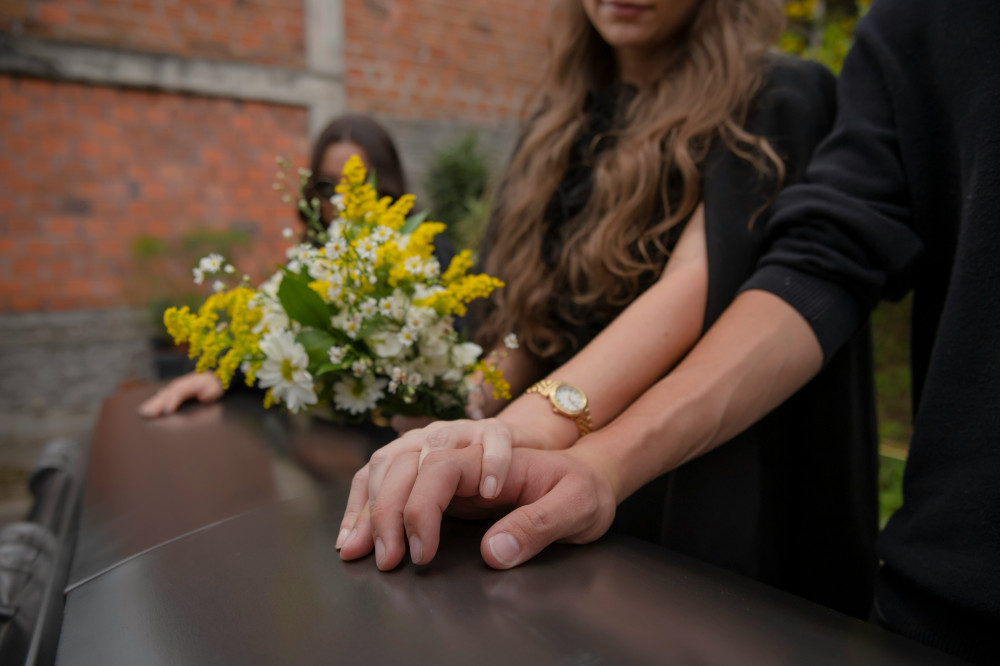
Meaning often grows through action: writing, creating, walking, volunteering, or connecting with others who understand. When we share our grief, it becomes lighter—and we discover that even in loss, new connections and insights can emerge. Finding meaning in life after loss is not about returning to what was, but about discovering a new way of being in the world—a way in which the love we’ve lost continues to live within us, as a quiet force reminding us what it means to be human.
Læs også: