Colors Through the Seasons – How to Choose Clothes That Match the Light

Colors Through the Seasons – How to Choose Clothes That Match the Light
Colors influence how we look, how we feel, and how others perceive us. What flatters us in the soft glow of winter might look completely different under the bright summer sun. Light changes with the seasons, and so does the world around us. That’s why it’s worth thinking about how to choose clothing colors that harmonize with the light and mood of each time of year.
Here’s a guide to help you use color consciously throughout the seasons – and create balance between you, your wardrobe, and the light that surrounds you.
Understanding the Role of Light
Across the United States, light shifts dramatically from season to season and even from region to region. Winter light tends to be cool and crisp, while summer light is warm and golden. These changes affect how colors appear on your skin and in your clothes.
- Cool light (winter and early spring) sharpens colors and increases contrast. Deep, saturated shades like burgundy, navy, and forest green work beautifully in this light.
- Warm light (summer and early fall) softens colors, making pastels, sandy neutrals, and light tones appear natural and glowing.
- Transitional light (spring and fall) invites experimentation. You can mix warm and cool tones to create interesting, balanced contrasts.
When shopping or planning outfits, always check colors in natural daylight rather than under artificial store lighting. It gives you a truer sense of how they’ll look outdoors.
Læs også:



Winter: Depth and Contrast
Winter light is sharp and cool, and the landscape often feels muted. This is the season for rich, deep colors that add warmth and depth—think navy, charcoal, wine red, and emerald. These tones stand out beautifully against the subdued winter backdrop.
Texture also plays a key role. Wool, velvet, and knits reflect light differently, adding life to darker hues. A scarf or hat in a bright accent color like crimson or cobalt can lift your look without overwhelming it.
Spring: Clarity and Freshness
As days grow longer and the light brightens, it’s time to bring lighter colors into your wardrobe. Spring is all about renewal and energy. Try soft pastels like mint, lavender, or blush, or pair neutral tones with a single pop of color—perhaps a sage-green jacket or a coral blouse.
Because spring sunlight can still be cool, overly bold colors may appear harsh. Opt for gentle, matte shades that complement the season’s crisp, clear light.
Summer: Lightness and Warmth
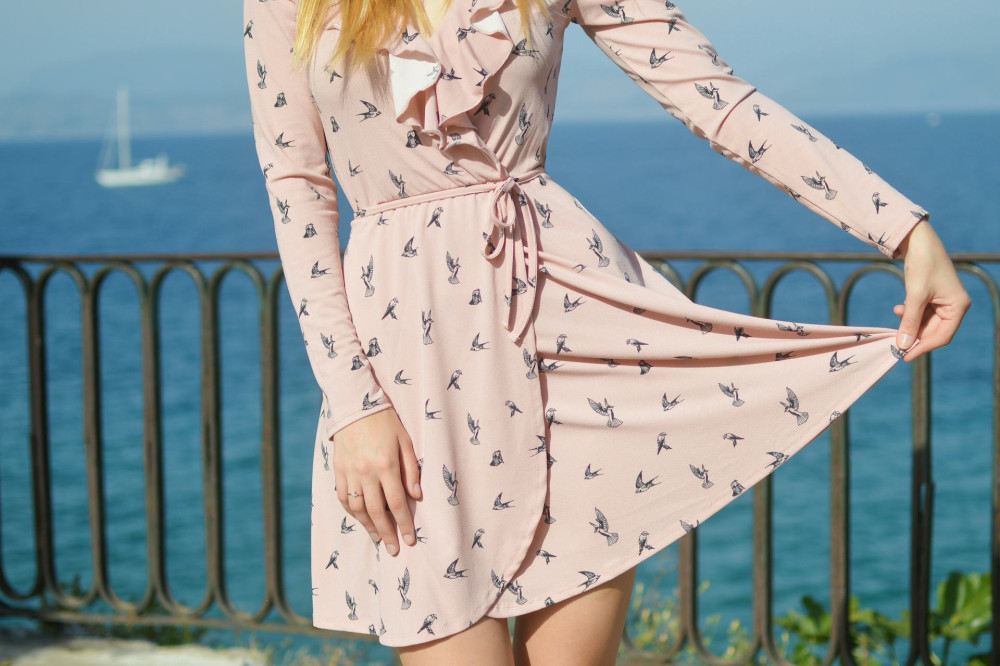
Summer light is warm, golden, and flattering. It makes colors glow, so this is the time to embrace brightness and ease. Whites, creams, sand tones, peach, and sky blue all reflect light beautifully and create an airy, effortless look.
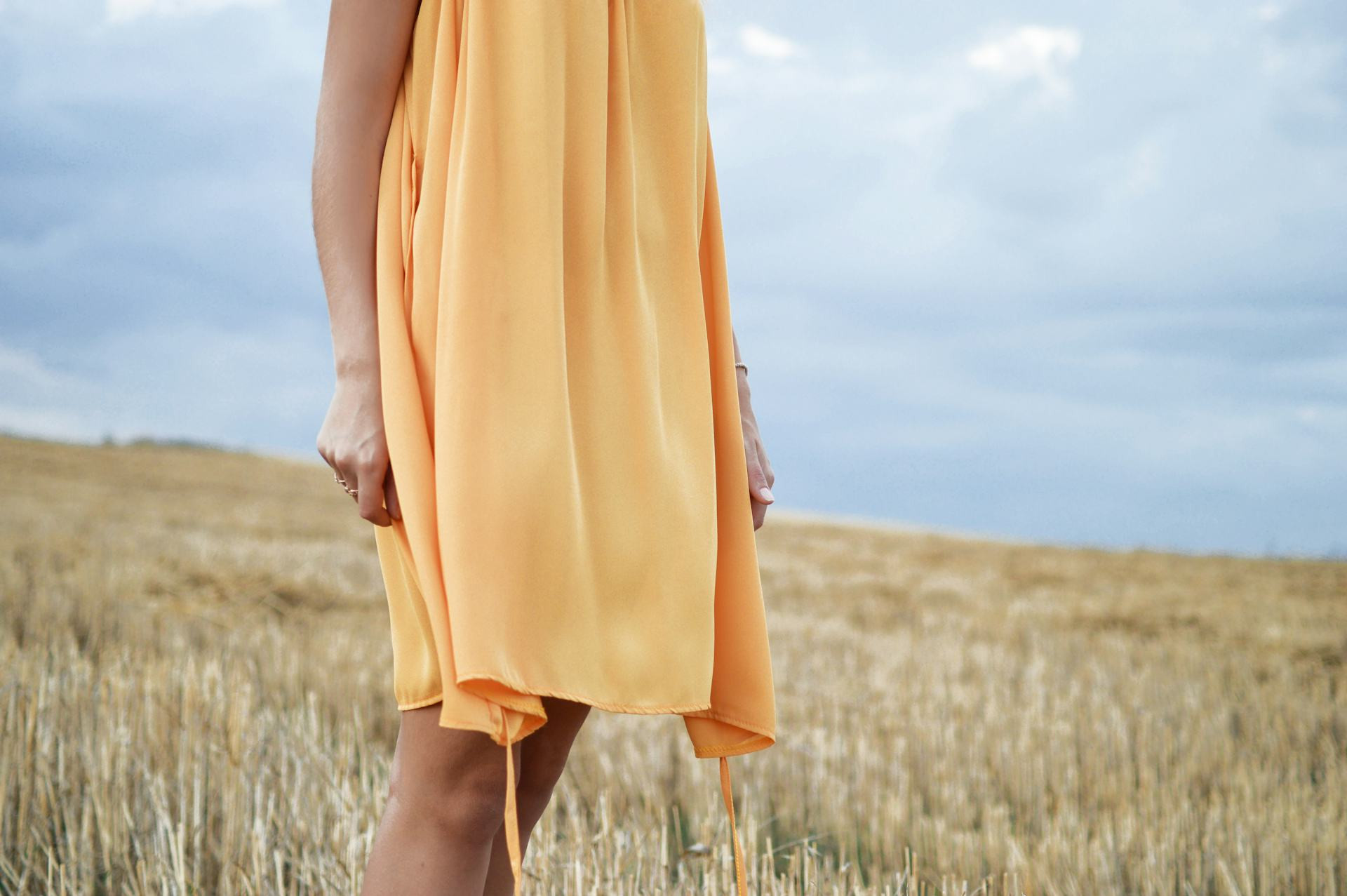
If you love color, summer is your moment. The sun enhances vibrant hues, so a yellow sundress, turquoise shirt, or coral shorts can look radiant. Just avoid overly dark colors—they can feel heavy in strong sunlight.
Fall: Warmth and Earthy Harmony
Fall brings a softer, golden light that flatters warm, earthy tones. Think caramel, rust, mustard, olive, and burnt orange. These shades echo the changing leaves and create a calm, grounded style.
Layering is perfect for fall—both for comfort and for visual interest. Combine different textures and tones within the same color family for a rich, cohesive look. A camel coat or copper-toned sweater can become timeless seasonal staples.
Finding Your Personal Colors
While the seasons influence which colors shine brightest, the most important factor is what flatters you. Your skin tone, hair color, and eye color all affect how colors appear. Some people glow in cool shades like blue and silver, while others come alive in warm tones like gold and terracotta.
A simple trick: hold a piece of clothing near your face in natural light. If your skin looks fresh and even, the color suits you. If you look tired or washed out, try a different shade.
Building a Balanced Wardrobe
You don’t need to overhaul your closet every season. Instead, build around neutral basics—black, gray, navy, beige—and add seasonal colors through accessories, shirts, or outerwear. This approach keeps your wardrobe flexible and sustainable while letting you adapt to the changing light.
A scarf, belt, or pair of shoes in a new color can completely refresh your look and make it feel right for the season.
Color as Mood
Color isn’t just about appearance—it’s about emotion. Dark tones can feel calm and comforting, while bright and light colors can boost energy and joy. By letting the season’s light guide your choices, you can create a wardrobe that feels natural, balanced, and in tune with the world around you—all year long.
Læs også: